
Common Toilet Troubles Edmond Homeowners Face
Toilets work reliably with little attention until a problem disrupts your routine. Strange noises, weak flushes, or rising water bills are common for Edmond homeowners. These issues often start small but can quickly become costly if not addressed.
The good news? Most toilet problems show warning signs before disaster strikes. Knowing what to look for can save you time, money, stress, and protect your home.
Why Toilet Problems Should Never Be Ignored
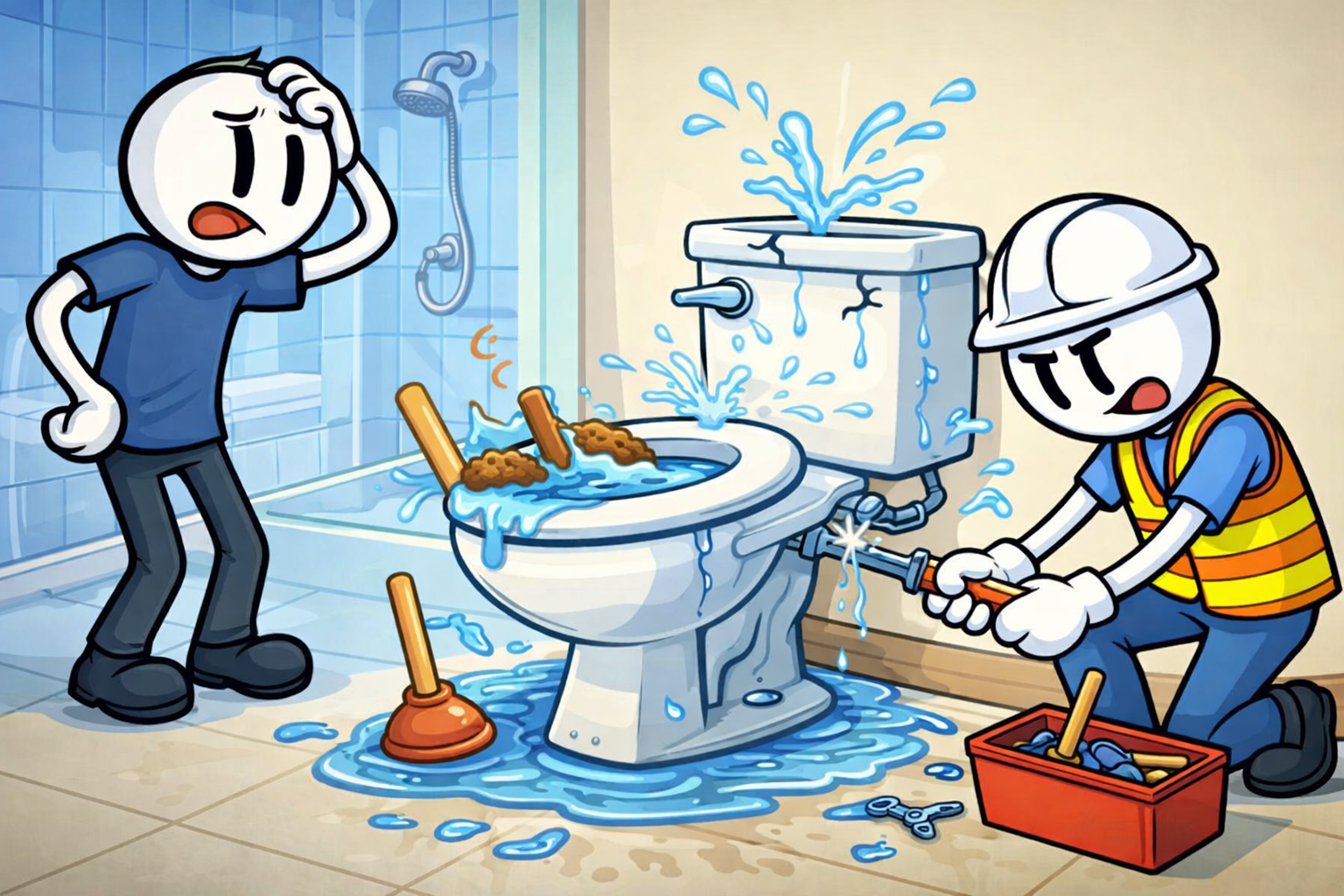
Ignoring toilet issues may seem harmless, but even minor problems can lead to water damage, mold, and structural concerns if left unaddressed.
A constantly running toilet can waste hundreds of gallons of water each week. A slow leak at the base can rot your flooring. What starts as a clog could signal a bigger issue in your plumbing system.
Early action is always cheaper, cleaner, and smarter.
Understanding How a Residential Toilet Works
Understanding how a toilet works is essential because each component must function properly for the system to run efficiently.
The Role of the Fill Valve
The fill valve controls water entering the tank after each flush. If it becomes worn or clogged with mineral deposits, the tank may refill slowly or not stop filling.
How the Flapper Controls Water Flow
The flapper is a rubber seal that lifts during flushing and closes afterward. If it does not seal properly, water will leak into the bowl.
Why Proper Venting Matters
Your toilet relies on airflow through vent pipes to flush correctly. Without proper venting, pressure builds up and causes gurgling sounds, slow drains, and inconsistent flushing.
Constantly Running Toilet Issues
A continuously running toilet is disruptive and costly. It can waste hundreds or thousands of gallons of water each month, leading to higher utility bills and strain on your plumbing.
Worn-Out Flapper Problems
Flappers degrade over time, especially in homes with mineral-heavy water. This small rubber part works like a gate, lifting during a flush and sealing shut afterward. When it warps, cracks, or loses flexibility, it can no longer create a tight seal. As a result, water leaks from the tank into the bowl, forcing the system to refill even when the toilet is not in use.
How Mineral Buildup Speeds Up Wear
Hard water leaves mineral deposits on rubber and plastic components inside the tank, including the flapper. These deposits act like sandpaper, breaking down the material faster than normal. Over time, the flapper becomes brittle and misshapen, allowing water to escape. That steady drip may seem harmless, but it can waste a significant amount of water and shorten the lifespan of other internal parts.
Faulty Fill Valve Symptoms
A failing fill valve may hiss, overfill the tank, or run continuously. Sometimes, the valve struggles to shut off, allowing water to trickle into the overflow tube. These problems often go unnoticed because they happen quietly inside the tank. Many homeowners discover the issue only after noticing high water bills or inconsistent flushing.
Weak or Incomplete Toilet Flush
A weak flush means the toilet is not operating efficiently. Waste may remain or require multiple flushes, increasing water use. Any reduction in flushing power should be addressed promptly.
Partial Clogs in the Trap
Not all clogs stop flushing completely. Some sit partially lodged in the trap, restricting water flow enough to weaken the flush. These partial clogs can develop slowly due to paper buildup, debris, or non-flushable items. Because water still moves through the bowl, homeowners often overlook the problem until it worsens and causes frequent backups.
Low Water Level in the Tank
If the tank does not fill to the correct level, the flush lacks force. The toilet does not have enough water to push waste through the drain. This issue often comes from a misadjusted float, faulty fill valve, or internal wear. Over time, low water levels can lead to repeated flushing, higher water use, and added strain on the system.
Toilet Keeps Clogging Frequently
Occasional clogs happen. Frequent ones are a red flag. When a toilet clogs repeatedly, it is usually a sign of an underlying issue, not everyday use. Constant plunging is not normal and often points to problems with drainage, toilet design, or deeper buildup in the system.
Paper Overuse vs. Drain Design
Some toilets are not designed to handle excessive paper. Low-flow and modern water-saving models use less water per flush, making them more sensitive to heavy paper use. Even standard toilet paper can become a problem if too much is flushed at once, overwhelming the drain’s ability to clear waste.
Hidden Blockages in the Drain Line
Recurring clogs may indicate buildup deeper in the drain line, which plungers cannot fix. Grease, debris, or residue can narrow the pipe over time, slowing water flow. These hidden blockages often worsen and can eventually affect other fixtures if left untreated.
Water Leaking Around the Toilet Base
Water pooling around the base of your toilet is never normal. Even small amounts of moisture can signal a serious issue beneath the surface. If left unchecked, these leaks can spread beyond the bathroom and damage flooring, walls, and nearby structures.
Failed Wax Ring Warning Signs
The wax ring seals the toilet to the drain pipe, preventing water from escaping during a flush. When it fails, water leaks at the base instead of flowing into the drain. Warning signs include wobbling toilets, persistent moisture, or unpleasant odors from the floor area.
Subfloor Damage Risks
Leaks do not just affect the surface. Over time, escaping water seeps into the subfloor, weakening wood and compromising structural integrity. What starts as a minor leak can require major repairs, including floor replacement, if not addressed.
Cracked Toilet Bowl or Tank
Cracks are not always obvious, but they are always serious. Hairline cracks can leak slowly, while larger fractures may suddenly fail without warning. Either scenario poses a risk of water damage and should never be ignored.
Temperature Stress Cracks
Sudden temperature changes can cause porcelain to crack, especially in older toilets. Pouring hot water into a cold bowl or exposure to extreme temperature shifts stresses the material over time and leads to fractures that worsen with use.
When Replacement Is the Only Option
Cracked porcelain cannot be reliably repaired. Sealants and temporary fixes may slow leaks, but they do not restore strength. In these cases, replacement is the safest and most cost-effective solution.
Gurgling Noises and Air Bubbles
Strange sounds are your toilet’s way of asking for help. Gurgling, bubbling, or sucking noises often indicate airflow or pressure issues in the plumbing system. These sounds usually mean the toilet is not draining properly and should be inspected.
Vent Stack Blockages
Blocked vents disrupt airflow, causing gurgling sounds and poor flushing. Leaves, debris, or nesting animals can clog vent stacks, preventing air from balancing pressure in the system. Without proper airflow, water struggles to move through pipes efficiently.
Drain Line Pressure Problems
Improper pressure can affect multiple fixtures, not just the toilet. Sinks, tubs, and showers may drain slowly or make noises as pressure builds and releases. These issues often point to a shared drainage or vent problem.
Toilet Tank Takes Too Long to Refill
A slow-filling tank wastes time and signals internal wear. Long refill times can disrupt routines and indicate problems with the fill valve or water supply. Over time, this issue can also reduce flushing performance.
Aging Internal Components
Over time, valves and seals degrade, reducing efficiency and reliability. Rubber parts lose flexibility, plastic components weaken, and mineral buildup interferes with operation. Wear is inevitable, but early detection prevents larger failures.
Rising Water Bills Caused by Toilets
Toilets are a common source of hidden water loss in homes. Because many leaks happen silently, homeowners often do not realize how much water is wasted until the bill arrives.
Silent Leaks That Waste Hundreds of Gallons
Leaks inside the tank are often silent but can waste hundreds of gallons each month. Simple tests like adding dye to the tank help detect these issues early.
When Toilet Problems Affect Other Home Systems
Plumbing problems do not always stay in one lane. Water damage can spread beyond the bathroom, affecting nearby walls, flooring, and electrical systems if leaks go unchecked.
Electrical Components Near Plumbing
Leaks can damage nearby electrical outlets, switches, or appliances. Moisture and electricity are a dangerous combination, increasing the risk of shorts, corrosion, or safety hazards in the home.
Why Plumber Edmond OK Services May Be Needed
When water comes into contact with wiring, safety is a concern. In these cases, Plumber Edmond OK professionals may be needed to ensure electrical systems stay safe and functional.
Why Professional Help Matters
DIY fixes work until they do not. While small adjustments may seem simple, incorrect repairs can worsen problems or create new ones. Professional evaluation ensures issues are fixed right the first time.
The Value of Preventive Maintenance
Routine inspections catch small issues before they escalate, saving money and stress long-term. Preventive maintenance extends the lifespan of toilet parts and lowers the risk of unexpected failures.
Choosing the Right Service Provider
Experience matters when it comes to protecting your home. A knowledgeable service provider understands how plumbing systems interact with other home components and can recommend solutions that prioritize safety, efficiency, and reliability.
Why Homeowners Trust A&T Mechanical Heat&Air Services, Inc.
A&T Mechanical Heat&Air Services, Inc. understands how interconnected home systems are. From plumbing issues to situations involving electrical safety concerns, their professional approach helps homeowners address problems correctly the first time.
A&T Mechanical Heat & Air Services, Inc. Proudly Serving Bradford Gardens Corp and Surrounding Areas in Oklahoma
A&T Mechanical Heat&Air Services, Inc. is committed to supporting the residents of Edmond, especially those in and around Bradford Gardens Corp. Our location is conveniently situated near Chrisholm Creek, close to the intersection of Pawnee Dr and W Memorial Rd, with Coordinates: 35.607243573337215, -97.53751073517394, making it easy for locals to access our Plumber Edmond OK.
Trusted Plumbing Services in Bradford Gardens Corp You Can Rely On
Call us or contact us to learn more.
Directions from Bradford Gardens Corp to A&T Mechanical Heat & Air Services, Inc.
Frequently Asked Questions (FAQs)
1. Why does my toilet run even when not in use?
A worn flapper or faulty fill valve is usually the cause, allowing water to leak continuously.
2. Is water around the toilet base an emergency?
Yes. It often indicates a failed wax ring and can lead to subfloor damage if ignored.
3. How do I know if my toilet needs replacement instead of repair?
Cracks in the porcelain, frequent clogs, and constant leaks usually mean replacement is the best option.
4. Can toilet leaks affect my electrical system?
Yes. Water exposure near outlets or wiring may require help from an Plumber Edmond OK professional for safety.
5. Who should I call for ongoing toilet issues?
A trusted provider like A&T Mechanical Heat&Air Services, Inc. can evaluate the issue and recommend the safest solution.
Conclusion: Protect Your Home by Acting Early
Your toilet does not fail overnight. It whispers first through slow refills, strange noises, weak flushes, and subtle leaks. Listening to those signals is the difference between a simple repair and a major home disruption. By understanding the common toilet troubles Edmond homeowners face, you are already ahead of the problem. Take action early, involve qualified professionals when needed, and protect your home from unnecessary damage.
Written by A&T Mechanical | Updated January 2026