
Is a 10-Year-Old HVAC Old?
If your HVAC system just hit the 10-year mark, you’re probably asking: Is this thing officially old? It’s a fair question, and one many homeowners wrestle with. Your HVAC system is like the heart of your home. When it starts to struggle, everything feels off.
For homeowners searching for HVAC Edmond OK, knowing if a 10-year-old system is nearing retirement or just entering middle age can save stress, money, and unexpected breakdowns.
Let’s break it down in a clear, honest, and practical way.
Why Homeowners Start Asking This Question Around Year 10
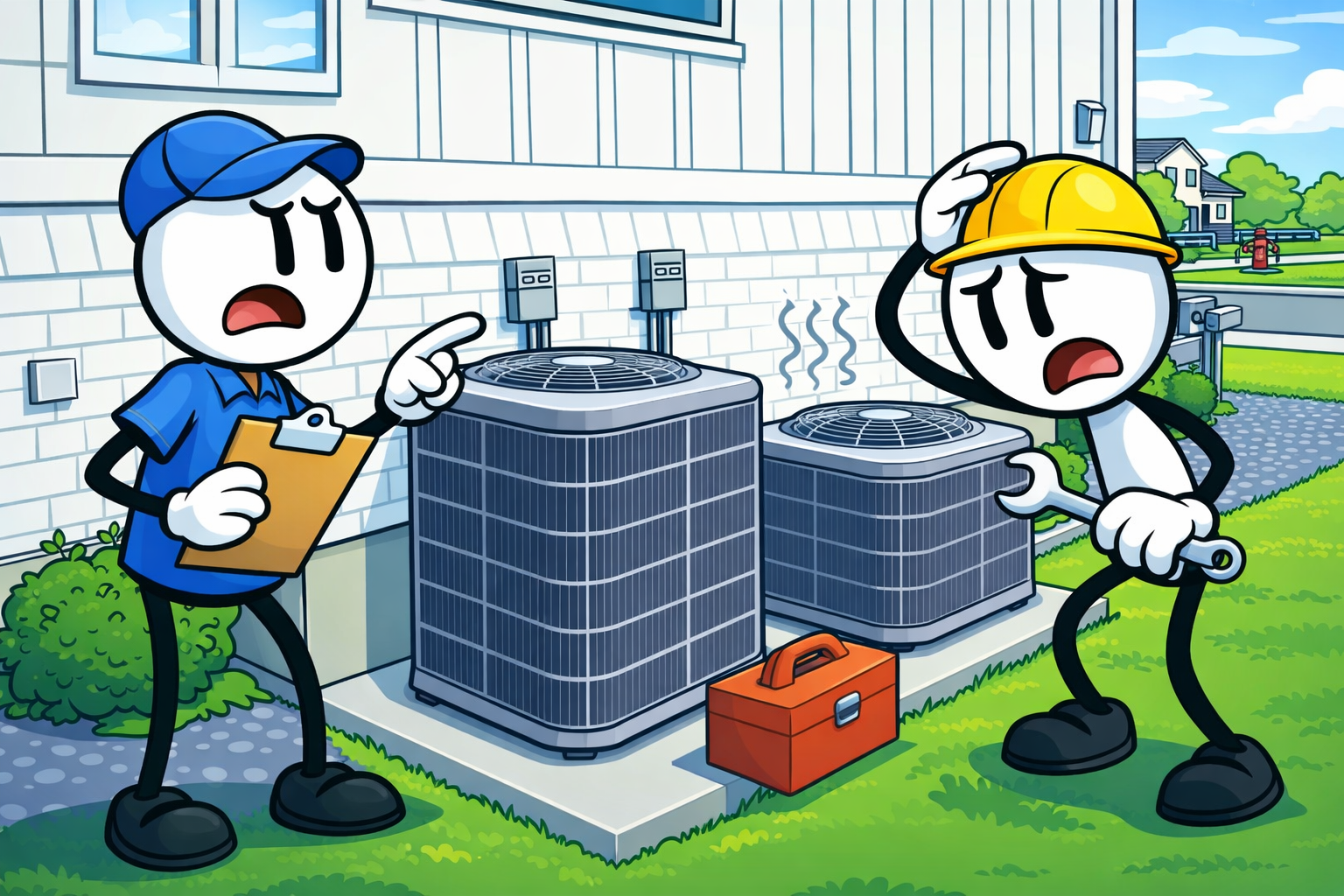
Year 10 is often when curiosity turns into real concern. Until this point, most homeowners don’t think much about their HVAC system as long as it works. But once a system hits the decade mark, awareness sets in. People start paying closer attention to how often it runs, how comfortable their home feels, and whether something seems off. It’s not panic yet, but it’s no longer blind trust.
The 10-Year Mark: A Psychological Milestone
There’s something about the number 10 that carries weight. Much like a vehicle crossing 100,000 miles, a 10-year-old HVAC system feels like it’s entered a new phase. Even if it’s still working, homeowners wonder how much longer it can last. Questions start forming: Is this system nearing the end? Will it fail during extreme weather? Should I start budgeting for replacement now? The system hasn’t changed overnight, but the homeowner’s mindset certainly has.
Changes You Begin to Notice in Comfort and Performance
Around this time, subtle changes become harder to ignore. Certain rooms may feel warmer or cooler than others. The system may cycle longer to reach the same temperature it once handled easily. Airflow can feel weaker, and the indoor air may not feel as clean or consistent. These issues don’t always signal immediate failure, but they suggest aging components and reduced efficiency. Together, these small shifts plant the seed of doubt and lead homeowners to ask: Is my HVAC system starting to wear out?
Understanding the Average Lifespan of an HVAC System
Before labeling your system as “old,” it helps to know what’s normal.
Typical Lifespan of Air Conditioners
Most air conditioners last 12–15 years, depending on usage, maintenance, and installation quality.
Typical Lifespan of Furnaces
Furnaces often last longer, 15–20 years, but efficiency declines with age.
At 10 years old, your HVAC system is usually not old, but it’s no longer new.
What Really Happens to HVAC Systems After 10 Years
Time leaves its mark—even on well-built systems.
Wear and Tear on Internal Components
Motors, coils, compressors, and electrical parts slowly degrade. Think of it like joints in the human body; they still work, but not like they used to.
Efficiency Loss Over Time
Even if your system runs fine, it likely uses more energy than when it was new. That means higher utility bills.
Is a 10-Year-Old HVAC Considered Old or Just Middle-Aged?
The honest answer? It depends.
Age vs. Condition: What Matters More
A well-maintained 10-year-old system can outperform a neglected 6-year-old system.
Why Maintenance History Changes Everything
Regular tune-ups, filter changes, and inspections can extend system life by years. Skipping maintenance shortens it.
Signs Your 10-Year-Old HVAC Is Near the End
Some warning signs are hard to ignore.
Rising Energy Bills
If your bills keep climbing with no lifestyle changes, your HVAC may be working harder to do the same job.
Uneven Temperatures and Weak Airflow
Hot and cold spots are classic symptoms of aging equipment.
Frequent Repairs and Strange Noises
When repairs become routine instead of rare, your system is sending a message, and it’s not a subtle one.
When a 10 Year Old HVAC Still Has Plenty of Life Left
Not all systems age the same way.
Systems That Were Properly Maintained
Routine professional care can keep systems running efficiently well past the 10-year mark.
Homes With Moderate Usage Patterns
Systems that aren’t pushed to their limits often age more gracefully.
Energy Efficiency: Then vs. Now
This is where age really starts to show.
How Older Systems Compare to Modern Units
New HVAC systems are much more efficient. Upgrading can feel like switching from an old flip phone to a smartphone; everything just works better.
For homeowners exploring HVAC Edmond OK, efficiency upgrades often translate into real monthly savings.
Repair or Replace? The Real Cost Breakdown
This decision is rarely black and white.
Short-Term Savings vs. Long-Term Value
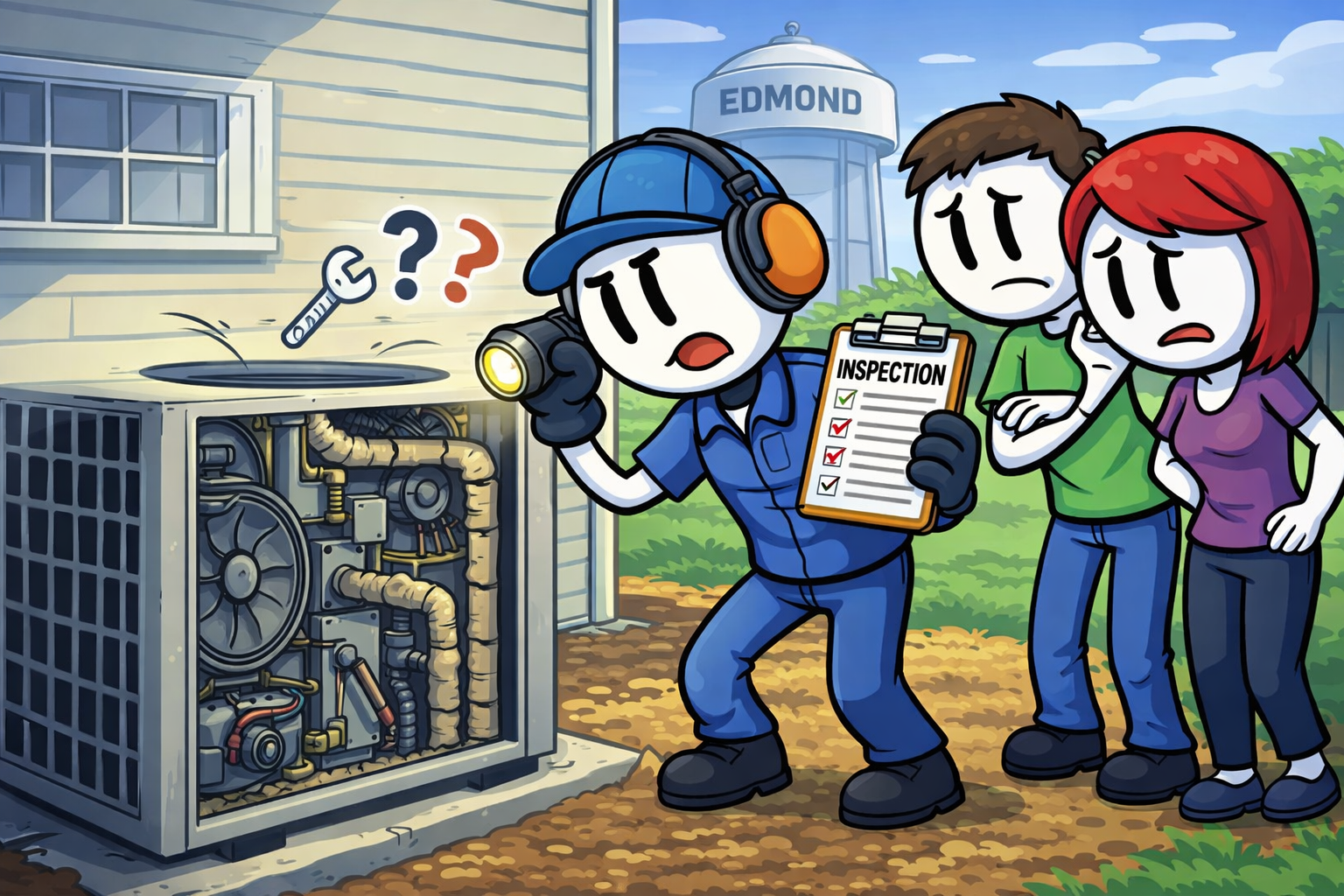
Repairs may cost less today, but repeated fixes add up. Replacement costs more upfront but brings reliability and efficiency.
How HVAC Inspections Help You Decide
A professional evaluation removes the guesswork.
What a Professional HVAC Evaluation Includes
A detailed inspection checks system performance, safety, efficiency, and remaining lifespan. This helps you make a confident decision.
Why Homeowners Trust A&T Mechanical Heat&Air Services, Inc.
Trust matters when big decisions are on the line.
Honest Guidance Without Pressure
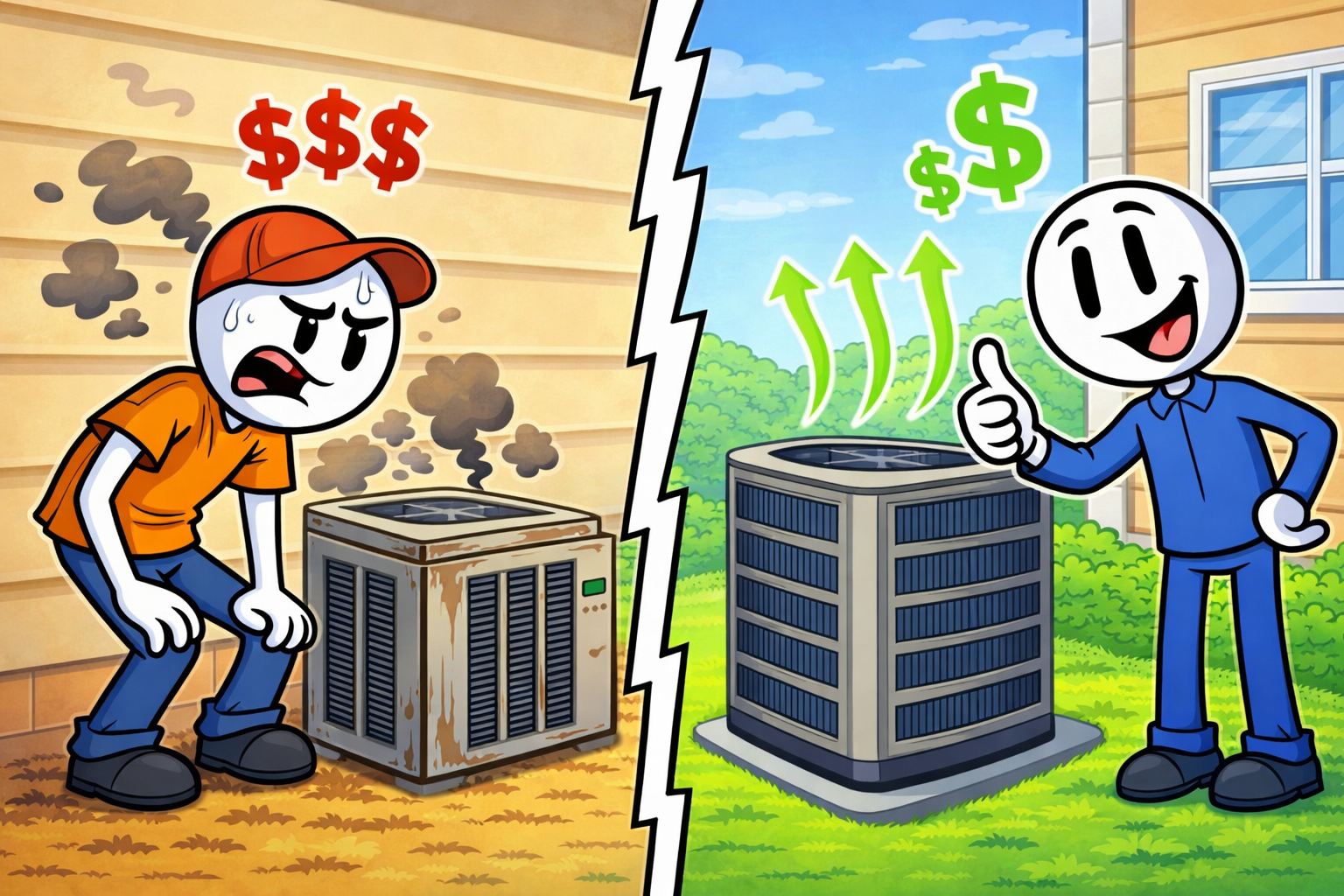
A&T Mechanical Heat&Air Services, Inc. focuses on facts, not fear. Whether your system needs a tune-up, repair, or replacement, you get straightforward answers and real options.
Planning Ahead Before Your HVAC Fails
Waiting until failure puts you at a disadvantage.
Budgeting and Timing Your Replacement Wisely
Planning ahead lets you choose the right system at the right time, without panic or rushed decisions.
A&T Mechanical Heat & Air Services, Inc. Proudly Serving The Crossing and Surrounding Areas in Oklahoma
A&T Mechanical Heat&Air Services, Inc. is committed to supporting the residents of Edmond City, especially those in and around The Crossing. Our location is conveniently situated near First Freewill Baptist Church, close to the intersection of Northgate Terrace and E Frontage Rd, with Coordinates: 35.61364144350935, -97.49310813464173, making it easy for locals to access our HVAC Edmond OK.
Trusted HVAC Services in The Crossing You Can Rely On
Call us or contact us to learn more.
Directions from The Crossing to A&T Mechanical Heat & Air Services, Inc.
Frequently Asked Questions (FAQs)
1. Should I replace my HVAC system at 10 years old?
Not automatically. Many systems still perform well with proper maintenance.
2. How can I tell if my HVAC is losing efficiency?
Rising energy bills, longer run times, and uneven temperatures are common signs.
3. Is it better to repair or replace an older HVAC system?
It depends on repair frequency, costs, and overall system condition.
4. How often should HVAC systems be inspected after 10 years?
Annual inspections are strongly recommended to catch issues early.
5. Can maintenance really extend HVAC lifespan?
Absolutely. Regular professional maintenance can add several years of reliable operation.
Conclusion: Is a 10-Year-Old Really Old for an HVAC System?
A 10-year-old HVAC system is not always old, but it is at a key stage. Some systems can keep working well for years, while others may be close to wearing out. How long yours lasts depends on how well it has been maintained, how efficient it is, and how it performs.
If you’re searching for HVAC Edmond OK, having your system evaluated by A&T Mechanical Heat&Air Services, Inc. can give you clarity, confidence, and a clear path forward, before small issues turn into major disruptions.
Written by A&T Mechanical | Updated January 2026